
Worried about low blood sugar? Learn the symptoms, dangers, and how Realo Drugs can help you prevent and manage hypoglycemia.
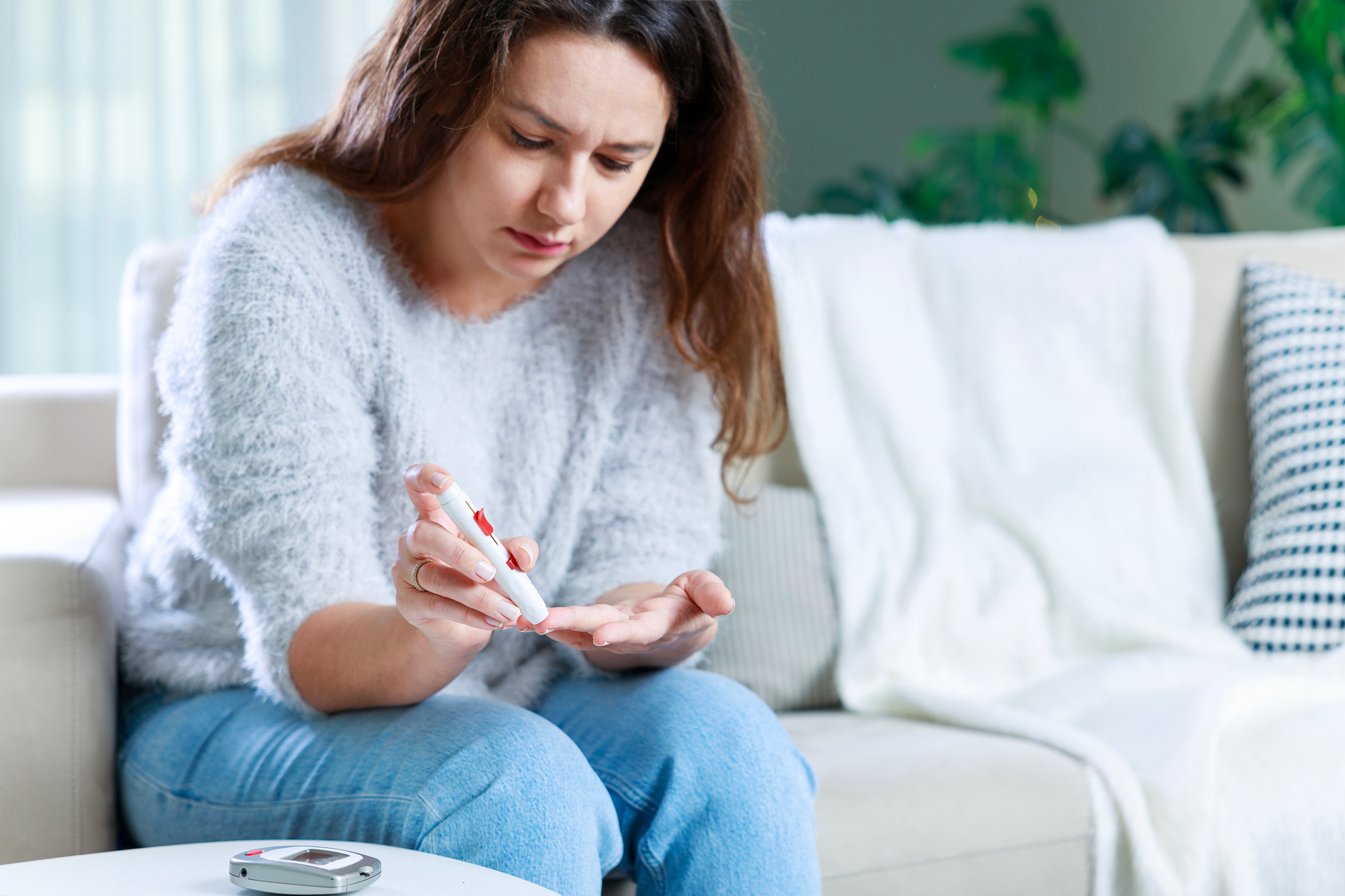
You’ve probably heard a lot about high blood sugar. But low blood sugar, also known as hypoglycemia, can be just as serious if it’s not recognized and treated quickly. Whether you’re managing diabetes or supporting someone who is, understanding the dangers of low blood sugar and how to respond can make a big difference in everyday health and safety. With a little knowledge and help from your local pharmacist, hypoglycemia is often preventable and very manageable.
Hypoglycemia happens when the level of glucose (sugar) in your bloodstream drops lower than your body needs to function properly. As your body’s main source of energy, when levels dip too low, your body and brain don’t get the steady energy supply they rely on. This is why symptoms can sometimes show up quickly and feel intense.
For most people, low blood sugar levels are defined as below 70 mg/dL. That is the point where many people start to experience symptoms, and when action is typically recommended.
A common question: “Is 74 low blood sugar?” Technically, 74 mg/dL is still considered within the normal range. However, if you’re seeing a number like 74 and feeling shaky, lightheaded, sweaty, or just “off,” it could mean your blood sugar is trending downward. In other words, it may not be low yet, but it could be heading there. That’s why paying attention to early warning signs can help prevent a more serious drop later on.
If you have any concerns that you or a loved one might be struggling with low blood sugar, our trusted Realo pharmacists would be happy to help.
Low blood sugar is most commonly linked to diabetes, especially for people who take insulin or certain oral medications that lower blood glucose. These medications are designed to help keep blood sugar from getting too high, but levels can sometimes fall too far if meals are delayed, portions are smaller than usual, or activity increases.
Common causes include:
Even changes in routine, like traveling, stress, or a busy day that throws off your meal schedule can affect blood sugar levels. Our bodies like consistency, and even small disruptions can make a difference.
One of the most important things you can do is recognize symptoms early. Warning signs may include:
If blood sugar continues to drop, symptoms can become more noticeable:
In severe cases, low blood sugar can lead to fainting, seizures, or loss of consciousness.
Because hypoglycemia can progress quickly, it’s best to act at the first sign instead of waiting to see if it improves on its own.
In the short term, it increases the risk of falls, injuries, or accidents—especially if you’re doing something that requires focus and coordination. Even mild confusion or dizziness can put you at risk.
In more serious cases, severely low blood sugar can lead to seizures, unconsciousness, or coma. While these outcomes are less common, they are the reason healthcare providers take hypoglycemia seriously.
Frequent episodes can also reduce your ability to recognize early warning signs over time—a condition sometimes called “hypoglycemia unawareness.” When that happens, blood sugar can drop dangerously low before you even realize it.
The important thing to remember is this: these hypoglycemia dangers are largely preventable with awareness, preparation, and the right support.
Managing low blood sugar doesn’t require perfection—just some preparation and the right support.
Simple, consistent habits can go a long way in preventing hypoglycemia:
If your blood sugar does fall below 70 mg/dL, don’t panic. The 15–15 rule is a simple way to bring it back up safely. Have 15 grams of fast-acting carbohydrates, like glucose tablets, four ounces of juice, or regular (not diet) soda, then wait 15 minutes and recheck your level. If it’s still low, repeat the process until you’re back in a safer range.
It’s also a good idea to keep a quick source of sugar within reach: in your bag, your car, your desk drawer, or on your nightstand. That little bit of preparation can offer a lot of peace of mind.
And remember, you don’t have to navigate this alone. Realo Drugs offers diabetes prevention and management programs designed to meet you where you are.
Our friendly Realo pharmacists can sit down with you and take a close look at your medications to see if any might raise your risk for low blood sugar and help connect the dots between your prescriptions, when you eat, how active you are, and even the over-the-counter products you use—because all of those things can affect your numbers.
One of the best parts? We’re easy to reach and take the time to get to know all of our neighbors so the advice you get isn’t one-size-fits-all.
Low blood sugar doesn’t have to be frightening, but it shouldn’t be ignored. Understanding the signs, knowing what those numbers mean, and having a plan in place can help you stay safe and confident. If you have questions about hypoglycemia or your medications, stop by your local Realo Drugs. We’re always here to help you feel informed, supported, and cared for beyond your prescription.